
From Tactile to Linear Keyboard Switches
 Andre Franca
2 min read
Andre Franca
2 min read
I have an Akko 3084B Plus mechanical keyboard, one of the devices I like the most and use on a daily basis. It's a nice-sized tenkeyless keyboard, very comfortable and well built.
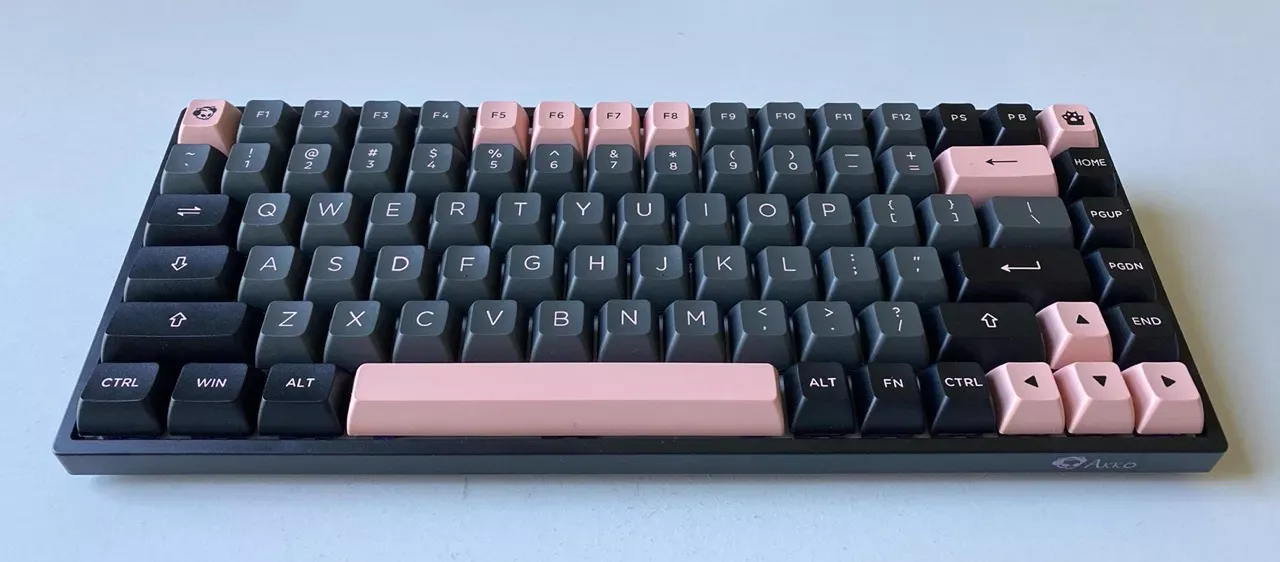
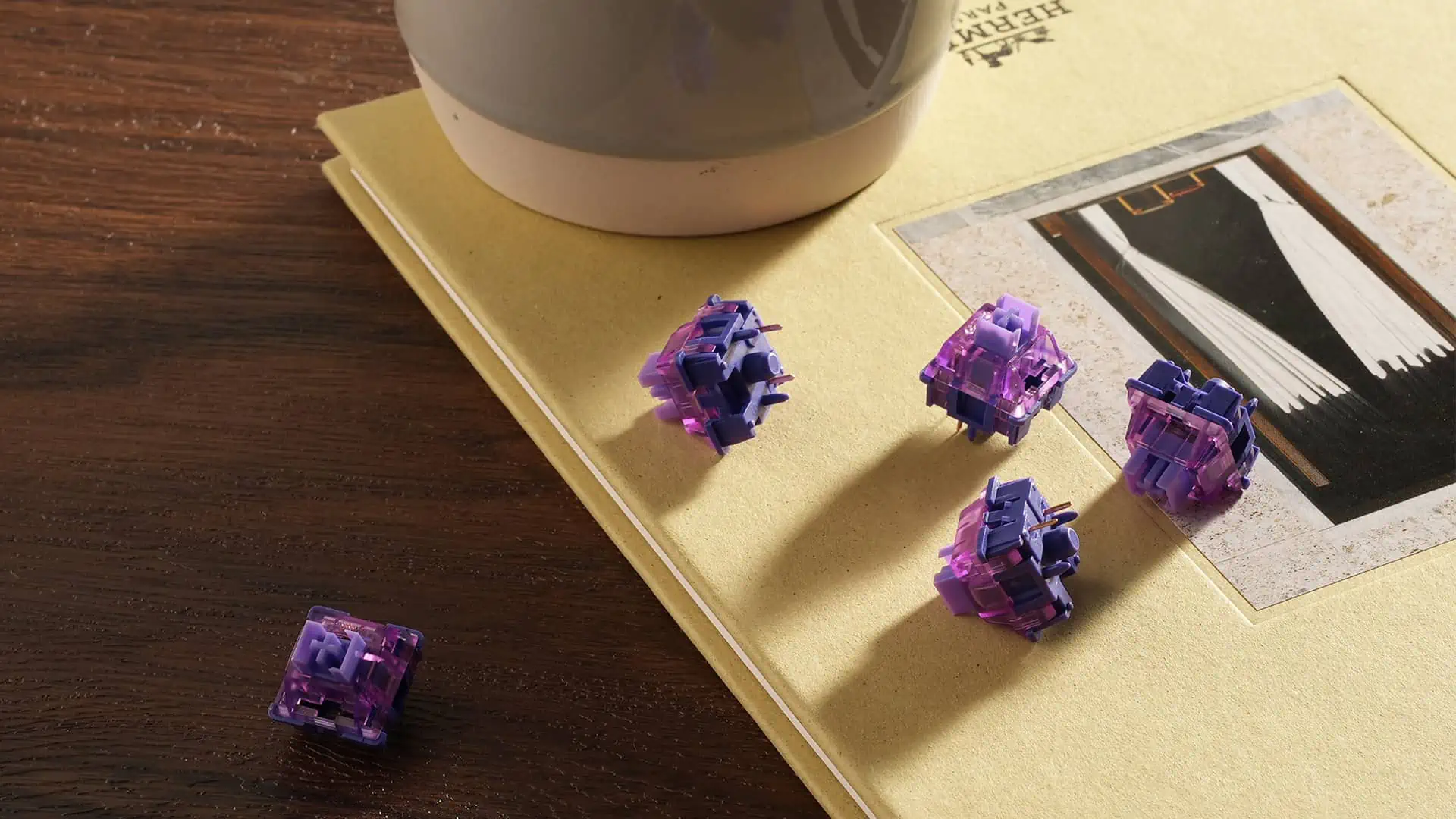
When I bought it, I had to choose between the Akko CS Jelly Pink (Linear) or Akko CS Jelly Purple (Tactile) switches. As I had never used either type of switch before, I decided on the Jelly Purple which
is aimed at creating unique and smooth feedbacks followed by the high tactile bump.
Until then, I was used to Apple's butterfly and my old keychron K2 (Blue Switches) keyboards. I felt a lot of difference, but I adapted quickly.

However, two years of using tactile switches led me to reconsider what I wanted in a switch. A linear switch would be a better option for both typing and gaming, instead of tactile ones.
While researching afordable switches, I came across the Matcha Green Pro model, from the same brand as the keyboard.
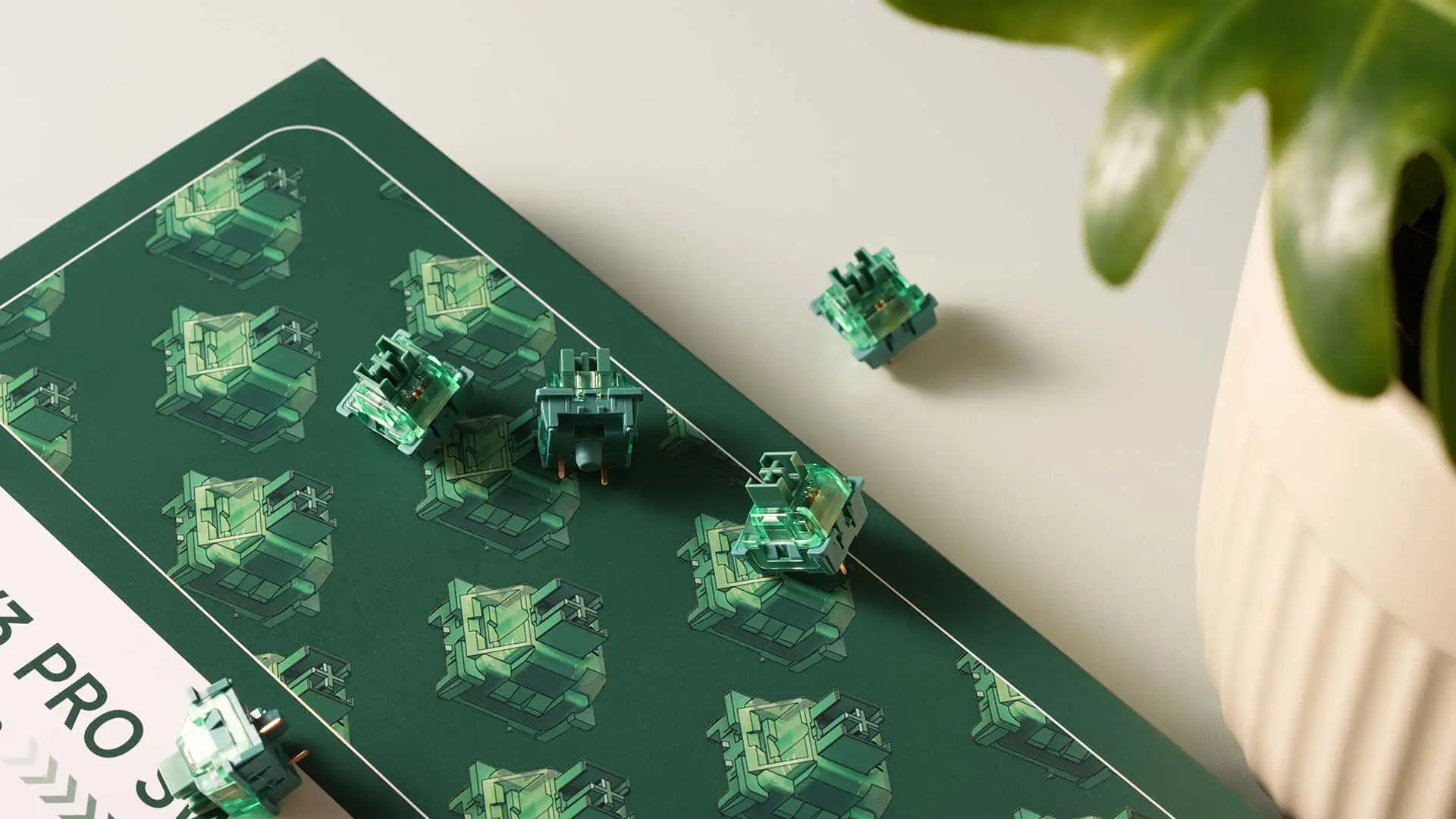
The 50gf actuation force for Matcha Green Pro is heavier than regular Matcha Green and is a great option for users who are in favor of smooth linear switches but prefer stronger feedback and deeper sound.

Typing on these new switches is a pleasure. They offer a smooth and consistent keystroke. The sound is "thock" and not clicky anymore, which is very much appreciated by people around me.
Closing Thoughts
I'm far from being a keyboard expert, nor do I intend to make it a hobby. Keyboards are nothing more than a tool to me, and the fact that I replaced the switches was to achieve a goal.
Regardless of whether the keyboard is model X or Y, or has any kind of fancy switches, in my experience it doesn't make us type better, but the practice of typing does. I even have a post wondering if a perfect keyboard exists.
Tags
Recent Posts
| Carta de Natal aos Meus Filhos | |
| Stop Reproducing Lies: A Brief Introduction to Fascism | |
| Apprentices of Goebbels |